What’s the tea?
There are tea spirits on the cha pan
In the world of tea, even the tray tells a story
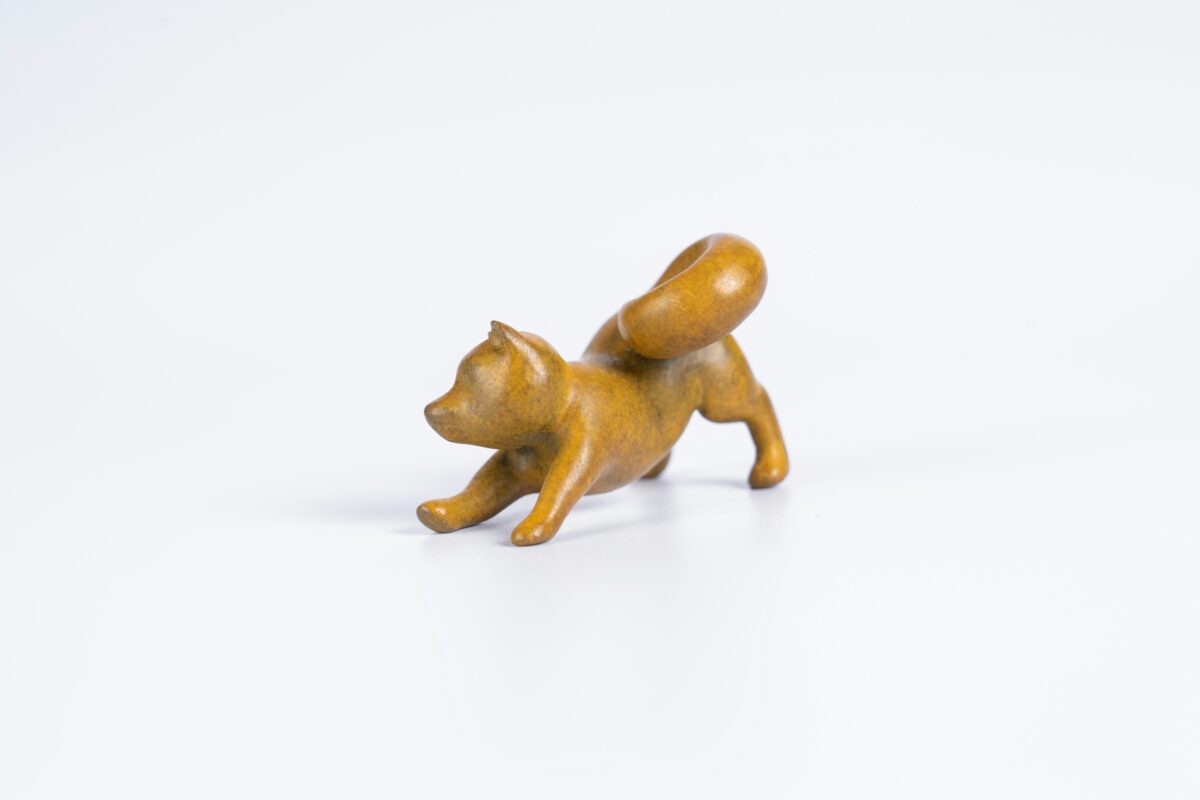
If you’ve ever seen a traditional Chinese tea tray—a cha pan—you may have noticed something surprising. Tiny animals. Carved figures. Sometimes dragons or frogs. Sometimes miniature monks. Often nestled quietly among the cups and teaware, as if part of the conversation
These are not just decoration. They’re tea spirits
What are tea spirits?
In Chinese gongfu tea culture, tea pets—or 茶宠 (chá chǒng)—are small clay figurines kept on the tea tray. They’re often made from unglazed yixing clay, the same material used in teapots, and they absorb tea over time
When you’re rinsing the leaves or pouring off the first steeping (cha shou), it’s common to pour a little of that tea over your tea pet. It’s a gesture of respect. Of gratitude. A way of acknowledging that you’re not alone in the ritual
Symbolism on the tray
Each tea pet carries meaning. Some are playful, others protective. Many are chosen based on their symbolic power:
Toad (金蟾 / jin chan): Bringer of wealth and good fortune
Dragon: Power, wisdom, and elemental strength
Pig or Elephant: Prosperity and peace
Buddha or Monk: Detachment, joy, and mindfulness
Frogs: Abundance and harmony with nature
Some people treat their tea pets almost like companions. They pour tea over them daily, let them age and darken over time, and believe they develop a kind of spirit of their own—soaked in story, infused with years of ritual
An invitation to play
In many ways, tea pets remind us not to take tea too seriously. Yes, it’s sacred—but also deeply human. These little figures sit alongside us, quietly witnessing our joys, frustrations, reflections, and everyday rituals
You don’t need to know the folklore behind every animal to enjoy them. You just need to invite them into your tray, and let them become part of your ritual
Even your tea deserves a companion