What’s the tea?
What makes high-elevation tea so special?
There’s something almost mystical about tea grown in the mountains
Maybe it’s the altitude. Maybe it’s the mist that clings to the leaves like a secret. Maybe it’s the patience of the land—the way time seems to stretch a little longer when you’re thousands of feet above sea level
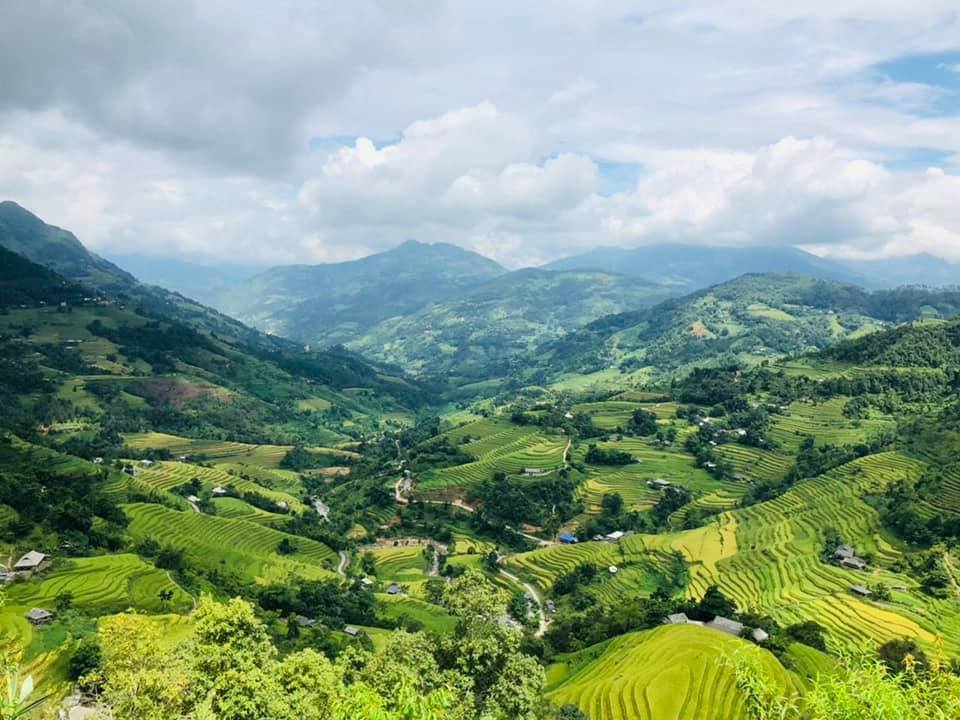
At 7 Sips, we source our GABA tea from the mountainous regions of northern Vietnam. It’s not just because it’s beautiful (though it is). It’s because tea grown at high elevation is different—richer, more complex, and more powerful in its effects on both the body and the spirit
Let’s explore why
What is high-elevation tea?
High-elevation tea is exactly what it sounds like—tea grown at altitudes above 3,000 feet (900 meters). In some cases, especially in places like Taiwan or Darjeeling, the elevation can climb up to 6,000 feet or more
The environment up there is cooler, cleaner, and often shrouded in mist—a perfect setting for slow, intentional growth. And that slower growth makes all the difference
How elevation affects the tea plant
At higher altitudes, tea plants experience gentle stress from the colder temperatures, higher UV exposure, and reduced oxygen. This slows down the plant’s metabolism and creates a kind of natural concentration process. The leaves become denser and more flavorful, producing:
Higher levels of catechins and polyphenols (antioxidants that support immune function and cellular repair)
Deeper, more complex flavors—ranging from floral and sweet to nutty, grassy, and earthy
Smoother, less bitter brews, even when steeped longer
The result? A cup of tea that’s as elegant as it is nourishing
Why we source from the mountains of Vietnam
Northern Vietnam is one of the tea world’s best-kept secrets. Tucked away in the misty hills of provinces like Hà Giang and Lào Cai, smallholder farmers tend to ancient tea trees using time-honored methods passed down for generations
We chose this region not only for its pristine environment and perfect elevation—but because of the deep relationship to the land that the farmers cultivate. Many of the tea trees here are semi-wild or old-growth, with roots stretching back decades or even centuries
These aren’t industrial monocultures. They’re living ecosystems. And you can taste that aliveness in every leaf
What you’ll taste and feel
If you’ve ever noticed that some teas make you feel clearer, lighter, or more centered, elevation may be part of the reason
High-elevation teas are often described as:
More “elevated” in energy—subtle but uplifting
More complex in flavor—with layers that unfold sip after sip
Less astringent—with softer tannins and a gentler finish
Richer in aroma—thanks to slower oxidation and natural essential oil retention
In our GABA tea, you might notice roasted chestnut, gentle green wood, or a honeyed finish—flavors shaped by both the fermentation process and the land it came from
The height of tea
So the next time you sit down with your cup, remember: your tea has climbed a long way to reach you
Through mountain mists and ancient trees, careful hands and quiet fields, your leaves carry the wisdom of elevation. Not just in feet or meters—but in intention, tradition, and care
Let that sip take you higher